
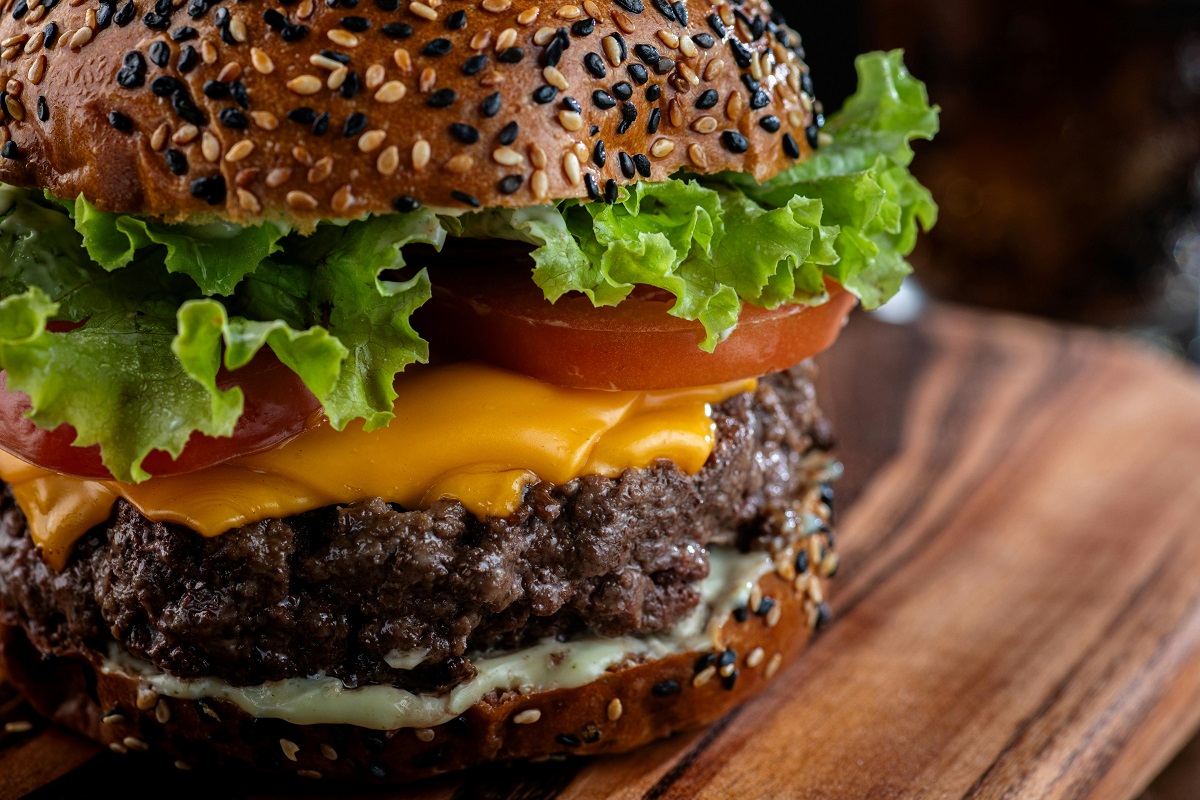
Few culinary creations capture the essence of American comfort food like the classic American cheeseburger. This iconic dish represents a perfect harmony of quality ingredients and precise techniques, where every element—from the beef’s fat content to the cheese’s meltability—contributes to burger nirvana. Whether you’re a home cook seeking to elevate your backyard barbecue or a food enthusiast chasing burger perfection, understanding the science behind each component transforms ordinary ingredients into an extraordinary experience. Let’s explore the essential building blocks that separate a good cheeseburger from a truly exceptional one.
The Butcher’s Secret: Selecting Premium Ground Chuck
The foundation of any perfect cheeseburger begins with high-quality, freshly ground chuck from a trusted butcher. Unlike pre-packaged ground beef that often contains additives or undergoes excessive processing, butcher-quality chuck offers superior texture and rich, beefy flavor. Dickson’s Farmstand Meats exemplifies this standard with their natural, humanely raised coarsely ground chuck—the ideal choice for burger enthusiasts. The coarse grind creates better structure in the patty, allowing for proper caramelization while retaining juiciness.
For those seeking to enhance flavor and tenderness, consider blending different ground meats. A mix of chuck with brisket or short rib introduces complex fat marbling and depth. Avoid lean blends (below 15% fat) as they dry out during cooking. Freshness matters too—look for bright red meat with visible fat specks, ground the same day for optimal quality. This attention to sourcing ensures your classic American cheeseburger starts with the best possible canvas for building flavors.
Patty Perfection: Mixing and Shaping Techniques
Transforming ground chuck into the ideal burger patty requires a delicate touch. Overmixing compacts the meat, leading to tough, dense results—instead, gently combine 2 lbs of ground chuck with just onion powder, salt, and pepper for classic flavor. Some cooks prefer adding egg yolks as a binding agent, though purists argue this alters the meat’s pure texture.
Shape uniform patties slightly larger than your bun (they’ll shrink during cooking), using your thumb to create a shallow indentation in the center. This clever technique prevents the dreaded “burger bulge” by counteracting the patty’s natural tendency to puff up. For consistent cooking, aim for ¾-inch thickness and chill shaped patties for 30 minutes before cooking—this helps them hold their form. Always verify doneness with a meat thermometer; 160°F–165°F ensures safety while maintaining juiciness in your perfect cheeseburger.
Cheese Mastery: Selecting and Melting Methods
No classic American cheeseburger is complete without properly melted cheese, and American cheese remains the gold standard for its unmatched meltability. Opt for deli-sliced varieties over pre-packaged singles—they contain fewer stabilizers, resulting in creamier texture. Timing is crucial: add cheese immediately after flipping the patty, then cover the pan for 30 seconds to create a steam chamber that promotes even melting.
Professional kitchens often use a cloche (a domed lid) to intensify this effect, trapping heat to melt cheese rapidly while keeping the meat exceptionally juicy. For those exploring alternatives, cheddar offers sharpness, pepper Jack brings heat, Swiss provides nuttiness, and blue cheese delivers bold funkiness. Regardless of variety, ensure cheese fully blankets the patty’s surface, creating that irresistible gooey layer that defines burger perfection.
The Heat is On: Optimal Cooking Methods
Achieving the ideal sear on your burger patty requires precise heat management. Whether using a cast-iron skillet or grill, maintain 400°F—hot enough to create a flavorful crust while keeping the interior juicy. Cook for 2-3 minutes per side for medium-rare, flipping only once to prevent moisture loss. This single-flip technique, endorsed by professional chefs, allows proper caramelization to develop on each surface.
For an alternative approach, try cooking in peanut oil—its high smoke point enables a perfect 3-minute sear per side. After cooking, let burgers rest briefly; this critical step allows juices to redistribute throughout the patty rather than spilling out at first bite. Whether you prefer grill marks from charcoal or the even heat of cast iron, mastering these cooking methods ensures your perfect cheeseburger delivers maximum flavor in every bite.
Classic Cheeseburger vs. Creative Toppings Showdown (240 words EXACTLY)
The classic American cheeseburger shines with traditional toppings that create a perfect flavor balance. Start with crisp dill pickle chips for acidity, paired with thin red onion slices for sharpness. Add juicy tomato and fresh lettuce for crunch, then finish with ketchup and mayo for creamy sweetness. For an authentic diner-style twist, Thousand Island dressing (a mix of ketchup, mayo, and chopped pickles) makes a popular condiment that ties everything together.
Brioche buns elevate the experience when toasted lightly – this creates better texture and prevents sogginess. Melted cheddar with crispy bacon on these buttery buns represents one of the most beloved authentic variations. The fat from the bacon complements the cheese’s richness, creating a decadent bite.
For adventurous cooks, creative toppings open new possibilities. Fried eggs add luxurious runny yolks, while jalapeños bring heat. Creamy avocado slices or sautéed mushrooms introduce earthy flavors that pair well with beef. Remember: even with creative additions, proper layering matters. Place wet ingredients like tomatoes between drier elements (lettuce or cheese) to maintain structural integrity. Whether you prefer classic simplicity or bold innovation, the perfect cheeseburger adapts to your taste while respecting fundamental flavor principles.
From Grill to Table: Serving and Storage Tips (280 words EXACTLY)
Mastering burger assembly ensures every bite delivers maximum flavor. Begin by spreading condiments directly onto toasted buns – this creates a moisture barrier. Place the patty on the bottom bun, then layer cheese so it melts slightly from residual heat. Add crispy elements like bacon next, followed by vegetables (tomatoes, pickles) and finally lettuce to prevent sogginess.
For leftovers, proper storage maintains quality. Cooked patties last 4 days refrigerated in airtight containers, separated by parchment paper. Freeze extras for up to 3 months; wrap individually in foil before bagging. Reheating works best in a 350°F oven for 10 minutes (microwave as a quicker alternative, though texture suffers). Always reheat buns separately to restore crispness.
Pair your classic American cheeseburger with sides that complement its richness. Golden fries offer crunch, while creamy coleslaw cuts through the fat. Potato salad brings hearty comfort, especially when made with tangy mustard or mayo bases. For homemade touches, try baking brioche buns – their slight sweetness perfectly balances savory components.
“Toasting buns isn’t just about texture – it creates flavor through caramelization that enhances every topping,” notes chef Michael Sullivan.
Serve burgers immediately after assembly, with napkins handy for the inevitable juices. For gatherings, set up a topping bar so guests can customize. Remember: the perfect cheeseburger experience combines technique with personal preference, making each creation uniquely satisfying.